Coffee Bean Typography: A Design Asset for Rich Branding
The right typeface doesn't just spell out your message; it brews an entire atmosphere before a customer even reads a word. When exploring resources for a café, bakery, or artisanal brand, discovering a cohesive Coffee Bean font collection is a game-changer for establishing a distinct visual language.
The Role of Thematic Typography in Graphic Design
In modern visual design, typography acts as a primary vehicle for brand identity. A specialized font set does more than convey text; it communicates texture, mood, and professionalism. For designers working within the food and beverage sector, finding assets that bridge the gap between aesthetic appeal and functional legibility is crucial. This is where a dedicated coffee-themed typeface excels.
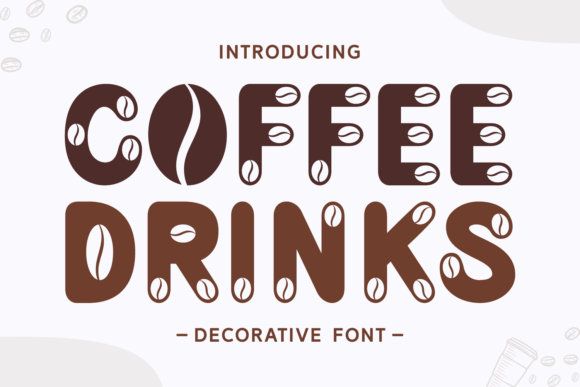
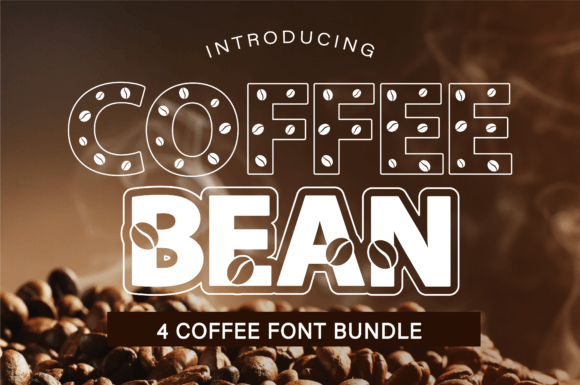
A comprehensive Coffee Bean collection typically offers versatility through multiple weights and styles. Imagine having access to a clean outline for subtle elegance and a bold, grounded weight for high-impact headlines. This variety allows for the creation of a sophisticated visual hierarchy. You can use the outline style for delicate background patterns or secondary information, while the bold variant anchors your logo design and primary call-to-action buttons.
Practical Applications for Creative Projects
The utility of a thematic font bundle extends far beyond simple menu boards. When integrated into a design workflow, these assets enhance various touchpoints of a brand's ecosystem.
- Brand Identity & Logo Design: A custom font helps a brand stand out. The decorative details found in a coffee-inspired typeface can reinforce the product offering immediately, ensuring the brand identity aligns with customer expectations.
- Packaging Design: On physical products, texture matters. Using outline and bold variations can differentiate between product lines, such as "Light Roast" versus "Dark Roast," creating a cohesive shelf presence.
- Digital Marketing & Social Media: In the fast-paced world of social media graphics, scroll-stopping typography is essential. A unique font helps maintain consistency across Instagram posts, stories, and online advertisements.
- Web Design & UI: While body text requires high legibility, headers and hero sections benefit from distinct character. A thematic font can set the tone for the user experience (UX) immediately upon landing on a page.
- Editorial Design: Menus, lookbooks, and flyers rely on visual hierarchy to guide the reader's eye. Mixing outline and bold weights allows designers to organize information clearly without cluttering the layout.
Evaluating Quality and Usability
Not all creative assets are created equal. When selecting a typeface for professional use, designers must consider several factors to ensure the asset adds value rather than complexity to the project.
- Readability vs. Style: While decorative elements are appealing, they must not compromise legibility. Ensure the font remains readable at various sizes, particularly for mobile UI design.
- Scalability: High-quality vector-based fonts ensure that your design remains crisp whether printed on a large banner or viewed as a small favicon.
- Compatibility: The asset should integrate smoothly with your existing color palette and design system. A good thematic font should complement imagery rather than compete with it.
- File Formats: Look for bundles that include various formats (OTF, TTF, WOFF) to facilitate seamless transitions between print design and web design environments.
Ultimately, the goal of graphic design is effective communication. By utilizing a specialized font bundle, you are not merely decorating a page; you are building a sensory connection with your audience. Thoughtful selection of typography ensures that your creative projects look polished, professional, and perfectly brewed for success.