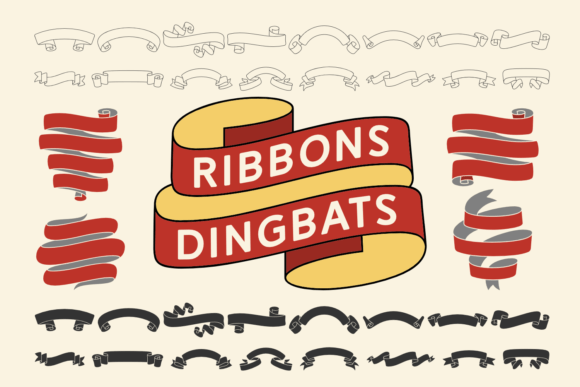
Ribbons Dingbats: Elevating Design with Playful Typography
Imagine transforming a standard invitation into a tactile experience or a simple logo into a memorable icon with a single keystroke. This is the power of specialized creative assets like Ribbons Dingbats, a unique typeface that trades letters for charming, decorative ribbon illustrations. In the fast-paced world of graphic design, where visual communication must be both instant and engaging, these inventive characters offer a simple yet profound way to inject personality and elegance into any project. They act as perfect decorative ingredients, turning the conceptualization of striking designs into a delightful task.
Understanding the Role of Dingbats in Modern Visual Design
Dingbats are ornamental characters that have evolved from simple typographic symbols into a vast library of visual assets. Ribbons Dingbats specifically provide a collection of ribbon-themed glyphs, which can be used as creative assets for borders, dividers, frames, or standalone decorative elements. Their value lies in their vector nature, ensuring they scale perfectly from a small social media graphic to a large-format print design without losing quality. This scalability is crucial for maintaining a consistent brand identity across all touchpoints, from web design to packaging design.
Practical Applications Across Design Disciplines
The versatility of a ribbon-themed dingbat font makes it a valuable tool for a wide range of creative projects. Here are several practical applications where these elements can significantly enhance visual communication:
- Branding and Logo Design: Incorporate subtle ribbon motifs to convey themes of celebration, quality, or connection, adding a unique flair to a brand identity.
- Marketing Materials: Use ribbon dingbats to frame key messages on brochures, flyers, or posters, improving visual hierarchy and drawing the viewer's eye.
- Social Media Content: Create eye-catching posts, stories, and profile decorations that stand out in crowded feeds, enhancing digital marketing efforts.
- Editorial Design: Add elegant flourishes to magazine layouts, book covers, or blog graphics, contributing to a polished professional presentation.
- Packaging and Advertising: Embellish product labels or ad campaigns with decorative ribbons to suggest premium quality or a festive spirit.
- UI/Web Design: While used sparingly, they can accentuate specific UI elements or celebratory moments in a user interface, improving user experience through delight.
Integrating Ribbons Dingbats into Your Design Workflow
To effectively use assets like Ribbons Dingbats, a thoughtful approach to design workflow is essential. Start by defining the role these elements will play. Are they accenting a headline, framing a photo, or acting as a background texture? This clarity will guide their application.
Tips for Effective Implementation
Consider the following to ensure your use of dingbats enhances rather than complicates your design:
- Maintain Consistency: Use the same style of dingbat throughout a project to support a cohesive visual design.
- Respect Visual Hierarchy: Ribbons should support the main content, not compete with it. Use them to guide the viewer's journey through the layout.
- Test Readability and Scalability: Ensure the decorative elements remain clear and effective at all intended sizes, whether for UI design or print design.
- Align with Audience and Goals: The playful, elegant nature of ribbons suits certain modern aesthetics and brands. Always align stylistic choices with audience expectations and project objectives.
- Integrate with Existing Elements: Harmonize the dingbats with your chosen color palette, typography, and imagery. A ribbon dingbat in a complementary color can tie a composition together beautifully.
Ultimately, the strategic use of specialized creative assets like Ribbons Dingbats exemplifies how thoughtful detail elevates graphic design from mere arrangement to effective storytelling. By selecting and applying such elements with intention, designers can enhance branding, improve user engagement, and create more visually compelling and professional work that resonates across every platform.