Sugar Mochi: Elegant Minimalist Typography
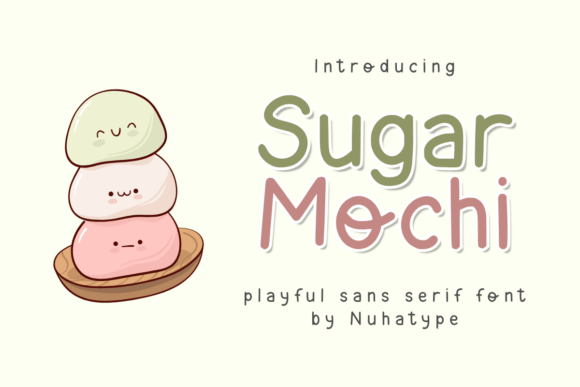
In the crowded visual landscape of modern design, the right typeface can be the silent hero that elevates a project from ordinary to exceptional. Sugar Mochi is an elegantly minimalist, thin sans serif font that captures the authentic charm of natural handwriting. It offers a sophisticated yet approachable aesthetic, making it a versatile asset for a wide array of creative applications, from digital interfaces to physical products.
The Role of Understated Typography in Modern Design
Effective visual communication relies on clarity and emotional resonance. A font like Sugar Mochi excels in this by providing a clean, legible foundation that does not compete with other design elements. Its thin, handwritten quality introduces a human touch, fostering a sense of warmth and authenticity. This is crucial in branding, where establishing a genuine connection with the audience can significantly enhance brand identity and loyalty. For graphic designers, selecting such a typeface is a strategic choice that balances professionalism with personality.
Practical Applications for Creative Projects
The true value of a design asset is measured by its utility. Sugar Mochi’s minimalist charm makes it exceptionally adaptable. Consider its impact across these common creative domains:
- Branding and Logo Design: It can form the core of a brand's typographic system, especially for lifestyle, wellness, or boutique brands aiming for a soft, refined identity.
- Marketing and Social Media Graphics: Its readability ensures messages are clear in digital ads, Instagram stories, and Pinterest pins, while its style maintains a cohesive visual hierarchy.
- Editorial and Web Design: Ideal for subheadings, pull quotes, or body text in magazines, blogs, and user interfaces (UI), it enhances readability without sacrificing modern aesthetics.
- Packaging and Merchandise: From labels on artisanal products to designs for tote bags, mugs, and tumblers, it adds a bespoke, handcrafted feel that appeals to consumers.
Furthermore, for creators in the KDP (Kindle Direct Publishing) space, planners, journals, and sticker design, Sugar Mochi provides a consistent, attractive typeface that improves the overall user experience (UX) of the product.
Integrating Design Assets Effectively
When incorporating any new creative asset, thoughtful evaluation is key. Consider these factors to ensure it enhances your design workflow:
- Consistency and Scalability: Test the font at various sizes to ensure it remains legible. Does it work for both a small label and a large poster? Consistency in application builds a professional presentation.
- Audience and Context: Align the font's style with your target audience's expectations. A minimalist sans serif suits modern, clean aesthetics but may need pairing with a stronger display font for high-impact headlines.
- Compatibility: Evaluate how it interacts with your existing color palette, imagery, and other typographic choices. The goal is a harmonious composition, not a collection of competing elements.
Thoughtful design is about making deliberate choices that serve both form and function. Quality creative assets like Sugar Mochi are more than just decorative tools; they are foundational components that improve visual communication, strengthen brand identity, and ultimately contribute to a more engaging and polished final product. By prioritizing such resources, designers and creators can efficiently produce work that is both beautiful and effective.