The Elegance of French Cursive in Modern Design
Imagine a typeface that doesn't just communicate words but evokes a sense of timeless sophistication and handwritten warmth. That's the unique power of French Cursive, a style that brings an authentic, personal touch to digital projects. For graphic designers and creators, this handwritten font is more than just a letterform—it's a versatile creative asset capable of transforming the visual hierarchy and emotional resonance of any layout.
Understanding the Visual Language of French Cursive
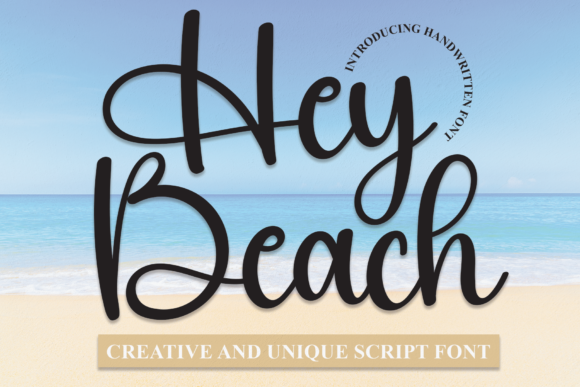
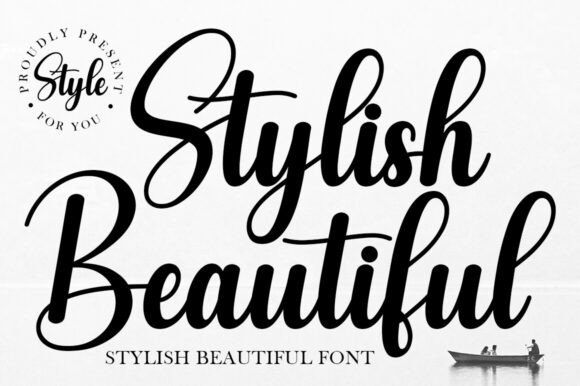
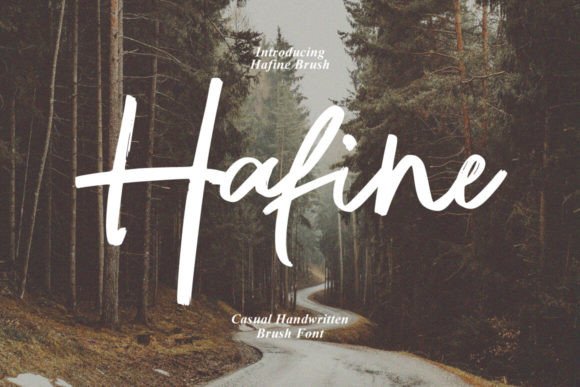
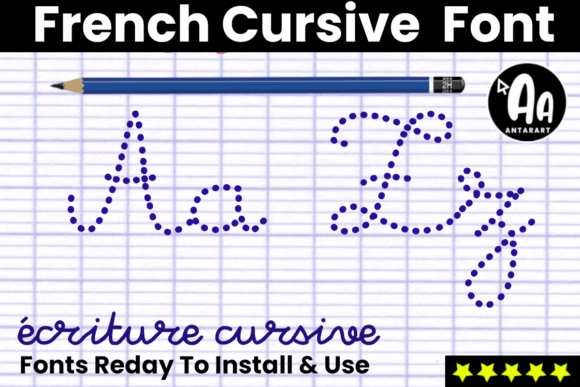
French Cursive handwriting is characterized by its flowing, connected letterforms, elegant loops, and consistent slant. Historically rooted in formal penmanship, its modern application in typography offers a blend of classic grace and approachable charm. In an era dominated by clean sans-serifs and sharp geometric fonts, French Cursive provides a necessary counterbalance. It introduces texture, personality, and a human element that can significantly strengthen brand identity and user engagement.
From a graphic design perspective, its value lies in its ability to create immediate visual impact and emotional connection. The font style naturally guides the eye along a baseline, making it excellent for creating a smooth visual flow in editorial design or marketing collateral. It communicates authenticity, creativity, and attention to detail—qualities that resonate deeply in branding and digital marketing.
Practical Applications for Designers and Brands
The versatility of a well-crafted French Cursive font allows it to shine across numerous creative projects. Its primary strength is in applications where a personal, artisanal, or luxurious tone is desired.
- Brand Identity & Logo Design: Use it for wordmarks, monograms, or taglines to convey elegance and heritage. It’s particularly effective for boutique brands, wellness studios, gourmet products, and high-end services.
- Marketing & Social Media Graphics: Create standout headlines, quotes, and call-to-action text for Instagram posts, Facebook ads, and email headers. It adds a layer of sophistication that captures attention in crowded feeds.
- Packaging & Print Design: Elevate product labels, business cards, wedding invitations, and editorial layouts. The font’s texture adds a tactile quality to print, enhancing the unboxing experience and perceived value.
- Web & UI Design: When used sparingly for hero text, pull quotes, or decorative elements, it can break the monotony of standard web fonts, improving the overall user experience and visual storytelling.
- Digital Products & Presentations: Incorporate it into slide decks, eBook covers, or online course materials to create a professional presentation that feels both polished and personal.
Integrating French Cursive into Your Design Workflow
Successfully incorporating a script font like French Cursive requires a strategic approach to maintain readability and visual harmony. Here are key considerations for any design workflow:
- Prioritize Legibility: Reserve French Cursive for short bursts of text—headings, subheadings, or accent words. For body copy, pair it with a clean, highly readable sans-serif or serif font to ensure clarity and accessibility.
- Establish Visual Hierarchy: Use the font to create a clear focal point. Its distinctive style naturally draws the eye, making it perfect for key messages or calls to action within a broader composition.
- Mind the Context: Align the font’s tone with your project’s goals. Its elegant, traditional feel may not suit a tech startup’s UI but could be perfect for a luxury spa’s brand identity. Always consider your audience’s expectations.
- Test for Scalability: Ensure the font renders beautifully across sizes, from large-scale print designs to small mobile screens. Check that the connecting strokes remain clear and don’t become muddy at smaller resolutions.
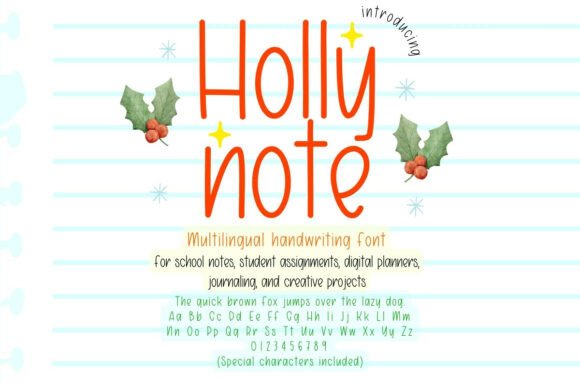
- Leverage It as a Learning Resource: For educators and parents, a French Cursive handwriting font is an invaluable tool. It allows for the creation of custom, interactive worksheets that make learning cursive enjoyable, bridging the gap between traditional penmanship and digital engagement.
In the realm of visual design, every element contributes to a narrative. Choosing a typeface like French Cursive is a deliberate design decision that can elevate a project from merely functional to truly memorable. By thoughtfully applying its elegance, designers can craft communications that are not only seen but felt, ensuring their work stands out with authenticity and professional grace. Quality creative assets like this font are investments in clearer, more beautiful communication.