The Missing Element: Elevate Your Visual Design
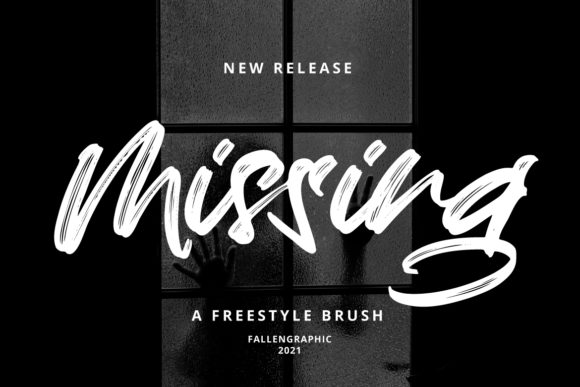
In the crowded landscape of digital and print design, the right typography is often the missing piece that transforms a good project into an unforgettable one. For designers seeking a blend of authenticity and artistic flair, the Missing font emerges as a powerful creative asset. This brush style handwritten font offers more than just letters; it delivers personality, energy, and a human touch that resonates deeply with modern audiences.
Understanding the Power of Handwritten Typography
Typography is a cornerstone of visual communication, guiding the viewer's eye and setting the emotional tone. While clean sans-serifs and classic serifs have their place, handwritten fonts like Missing inject a sense of immediacy and authenticity. They bridge the gap between the digital and the personal, making a brand or message feel approachable and crafted. In an era of automation, this organic quality can significantly enhance user engagement and brand recall.
Practical Applications for Modern Design Projects
The versatility of a well-designed brush font allows it to excel across numerous creative projects. Its expressive strokes add dynamism without sacrificing clarity when used thoughtfully.
Strengthening Brand Identity and Logo Design
A logo is the face of a brand. Using the Missing font for a logo or a primary brand mark can instantly communicate creativity, passion, and individuality. It works exceptionally well for brands in creative industries, artisanal products, lifestyle coaching, or any business aiming to project a friendly and innovative image. When paired with a complementary color palette and minimalist icons, it creates a balanced and memorable brand identity.
Enhancing Marketing and Social Media Graphics
For digital marketing, capturing attention in a scroll is paramount. The Missing font is perfect for creating impactful social media graphics, attention-grabbing headlines in ads, and engaging call-to-action statements. Its natural flow makes quotes and key messages stand out, improving visual hierarchy and encouraging shares. This font can become a consistent element in your social media strategy, reinforcing brand recognition across platforms.
Adding Character to Editorial and Packaging Design
In editorial layouts, such as magazines or blogs, a handwritten accent font breaks the monotony of body text, highlighting pull quotes or section headers. For packaging design, it can evoke a sense of craftsmanship, especially for products like gourmet foods, cosmetics, or handmade goods. The texture of the brush strokes adds tactile quality to the visual design, enhancing the unboxing experience.
Integrating Missing into Your Design Workflow
To maximize the impact of any creative asset, strategic integration is key. Here are a few considerations for using the Missing font effectively:
- Establish Visual Hierarchy: Use it for headlines, subheadings, or accent text. Avoid using it for long paragraphs, as readability can decrease over large blocks of copy.
- Pair Thoughtfully: Combine it with a clean, neutral font for body text. This contrast ensures legibility while allowing the handwritten style to shine as a focal point.
- Consider Context and Audience: While versatile, assess if its aesthetic aligns with your specific audience's expectations and the overall design goal—whether it's for a professional presentation, a playful website UI, or elegant print design.
Ultimately, the most effective design choices are those that serve both form and function. The Missing font is a tool that, when used with intention, can significantly elevate your creative work. It reminds us that thoughtful typography is not just about filling space but about creating an experience. Investing in high-quality, distinctive design assets allows you to craft visuals that are not only beautiful but also communicate more effectively, leaving a lasting impression on your audience.